



Ama Dablam Expedition - 30 Days
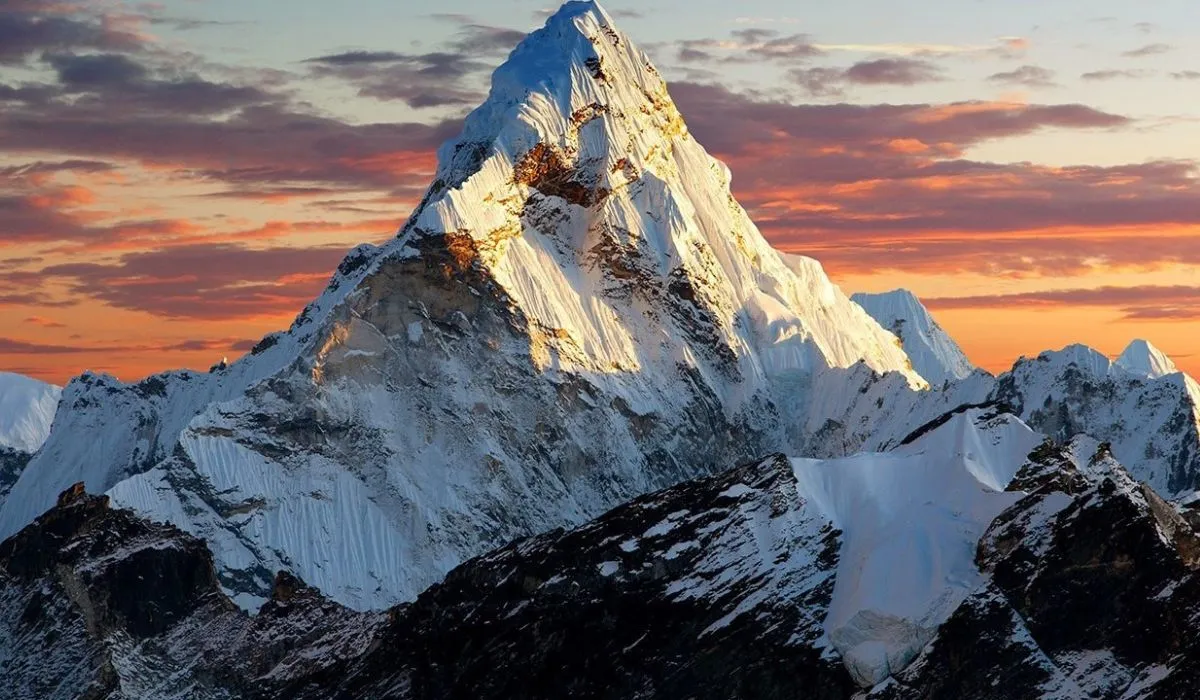
Ama Dablam (6,812 m) is one of the most striking peaks in the Khumbu. This expedition is for experienced climbers who want a technical Himalayan objective and a full expedition-style plan.
Country
Nepal
Duration
30 Days
Difficulty
Technical/Strenuous
Activity
Expedition
Max. altitude
6,812 m/22,349 ft
Best season
Apr-May, Oct-Nov
Accommodation
Tea House, Tent & Hotel
Meals
Meals Included
Start/End Point
Kathmandu
Signature Moments
Highlights
- Summit Ama Dablam (6,812 m), one of the most technical peaks for its height in the Himalaya.
- Trek the classic Everest Base Camp trail to reach the expedition base area.
- Acclimatize in Namche and include a Kathmandu sightseeing day before the climb.
Trail Brief
Overview
A technical 6,812-meter expedition in the Khumbu for climbers with strong alpine skills and high-altitude experience.
Ama Dablam Expedition is known for its dramatic ridgelines and steep climbing sections. It is widely considered one of the most technical peaks for its height, which makes it a serious objective.
The approach follows the classic Khumbu trail through Lukla and Namche, then continues toward Khumjung, Phortse, and Dingboche before reaching the base camp area. This long approach is part of the acclimatization plan and a key part of the expedition experience.
Once at base camp, the expedition runs on a structured rotation schedule. Training days, carries, and camp rotations help build altitude adaptation before the final summit push.
At 6,812 meters, Ama Dablam is not the tallest peak in Nepal, but it is one of the most admired for its profile and technical nature. It is a true climbing mountain, not just a high-altitude hike.
Inclusions & Exclusions
Kathmandu and Logistics
- Airport pick-up and drop-off in Kathmandu.
- Hotel stay in Kathmandu before and after the expedition.
- Pre-climb briefing, permit support, and basic expedition coordination.
Trek and Base Camp Support
- Guide support during the approach trek and return journey.
- Base camp setup with shared dining and sleeping arrangements.
- Meals during the trek and at base camp as per expedition plan.
Climbing Team
- Experienced expedition guide support and local climbing staff.
- Common group equipment for climbing and camp management.
- Staff wages, meals, insurance, and operational expenses.
Permits and Administration
- Required trekking and expedition permits for the Ama Dablam route.
- Local entry fees and necessary government paperwork.
- Administrative costs related to the expedition.
Price Excludes
- International flights to and from Nepal.
- Nepal visa fees and personal travel expenses in Kathmandu.
- Personal climbing gear, clothing, and technical equipment.
- Travel insurance with high-altitude rescue coverage.
- Personal snacks, drinks, tips, and private room upgrades.
We meet you at the airport and transfer you to the hotel.
Permit work, briefing, and a short Kathmandu sightseeing day.
Start the trek on the Khumbu trail and walk to Monjo.
Climb to Namche, the main hub of the Khumbu.
A short trek for acclimatization and rest.
Walk along high ridges with strong mountain views.
Move higher into the upper valley.
Acclimatization hike to build altitude strength.
Reach base camp and settle into expedition life.
Short carries and altitude work.
Technical practice and rest.
Preparation for the first rotation.
Start the rotation to higher camps.
Climb into Camp I.
Acclimatization climb to Camp II.
Return to base camp for recovery.
Rest and weather monitoring.
Final recovery before summit rotation.
Begin the summit rotation.
Optional rest depending on conditions.
Move higher for summit preparation.
Summit day and descent to Camp 2.7.
Descend to base camp.
Recovery day after the summit cycle.
Buffer day for weather or schedule changes.
Begin the return trek down the valley.
Final trekking day to Lukla.
Return to Kathmandu by flight.
Buffer day for weather or flight delays.
We transfer you to the airport for your onward flight.
Ama Dablam is a technical climb, so it is best for experienced mountaineers with strong rope skills and prior high-altitude experience.
It is widely considered one of the most technical peaks for its height, with steep sections and fixed ropes on the route.
The summit of Ama Dablam is 6,812 meters (22,349 feet).
The main seasons are spring (April to May) and autumn (October to November).
It is smart to keep extra days free because weather can affect flights and summit timing.
Rotations involve climbing to higher camps, spending time at altitude, and returning to base camp to recover before the summit push.
Most climbers attempt Ama Dablam without supplemental oxygen, but the final decision depends on the team plan and conditions.
You need insurance that covers high-altitude mountaineering and helicopter evacuation in Nepal.
The team waits for a safe window. Buffer days in the itinerary help handle delays.
Its sharp ridges and dramatic profile make it one of the most beautiful and respected peaks in the Khumbu.