Everest Three Passes Trek - 22 Days
Everest Three Passes Trek is one of the biggest and hardest trekking journeys in the Khumbu. It crosses Kongma La, Cho La, and Renjo La, and also includes Everest Base Camp, Kala Patthar, and Gokyo, so it feels much broader than a normal Everest trail.
Country
Nepal
Duration
22 Days
Difficulty
Strenuous
Activity
Trek
Max. altitude
5,545 m / 18,192 ft
Best season
Apr-May, Sep-Nov
Accommodation
Tea House & Hotel
Meals
Included
Start/End Point
Kathmandu
Signature Moments
Highlights
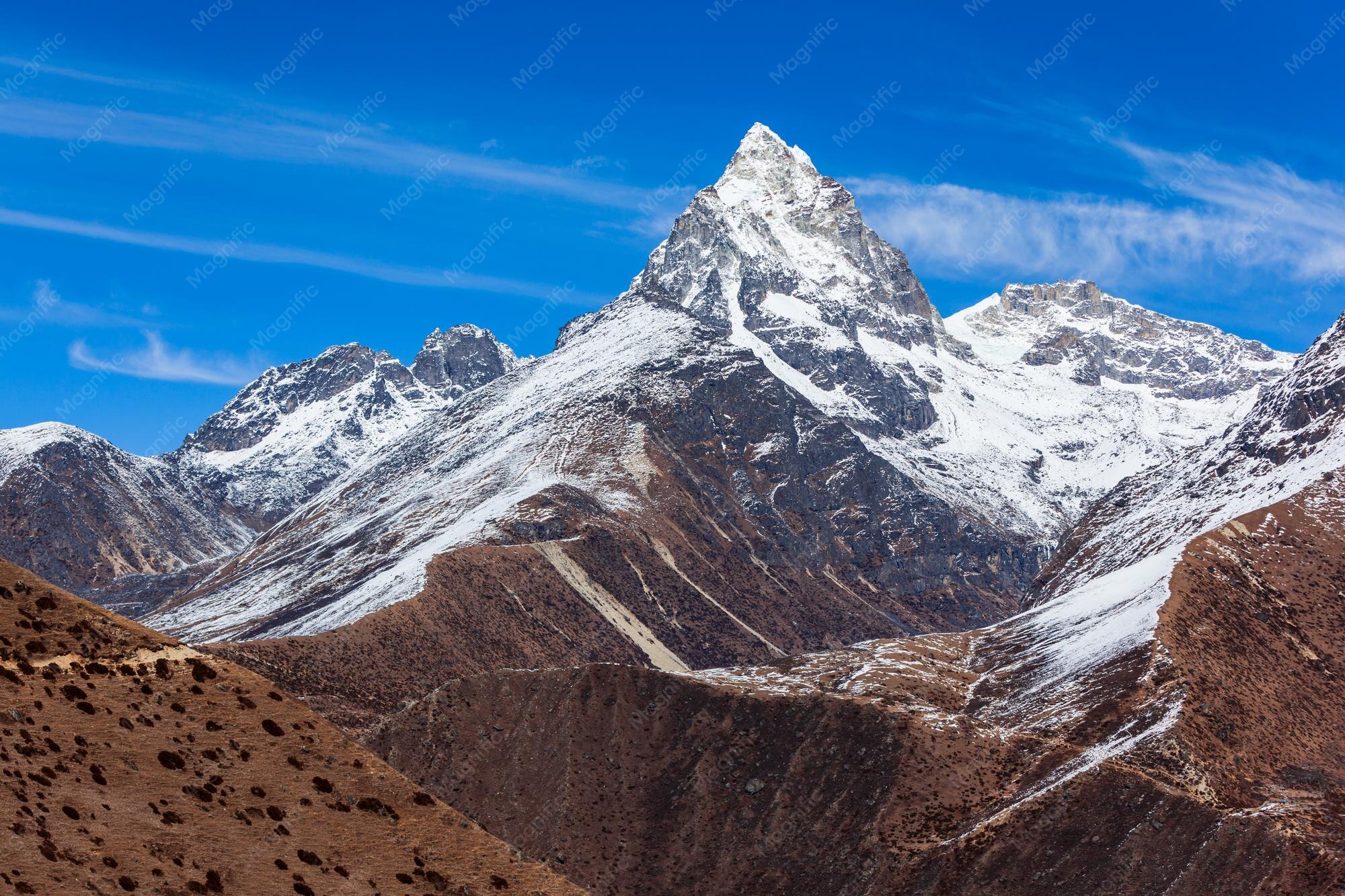
- Cross Kongma La, Cho La, and Renjo La on one of the most complete treks in the Everest region.
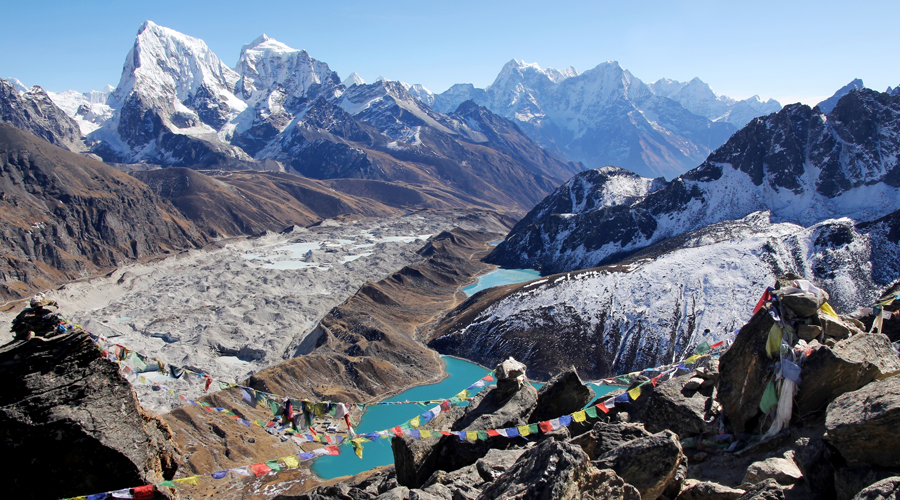
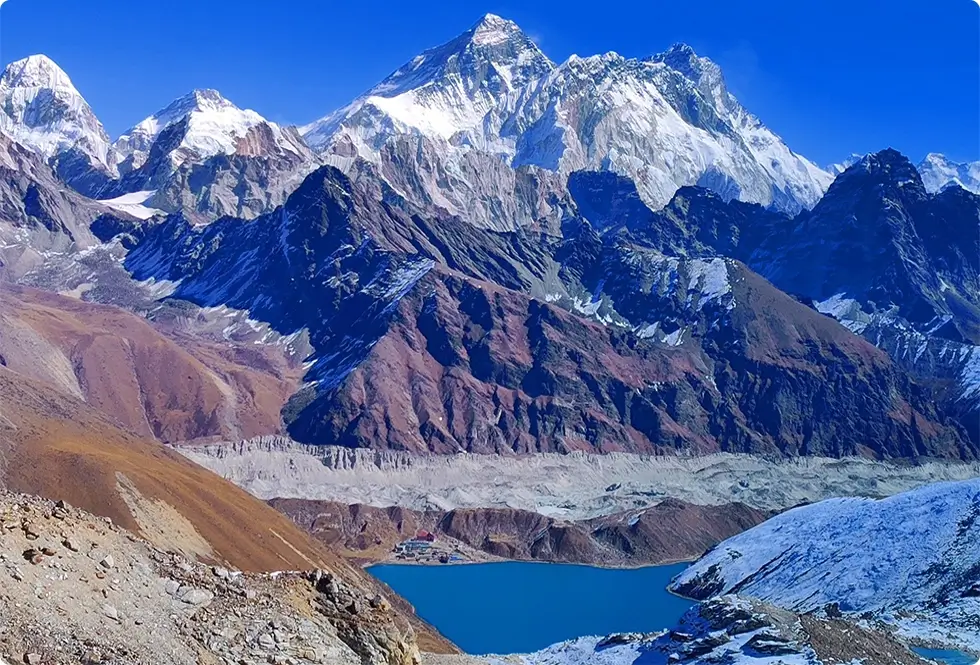
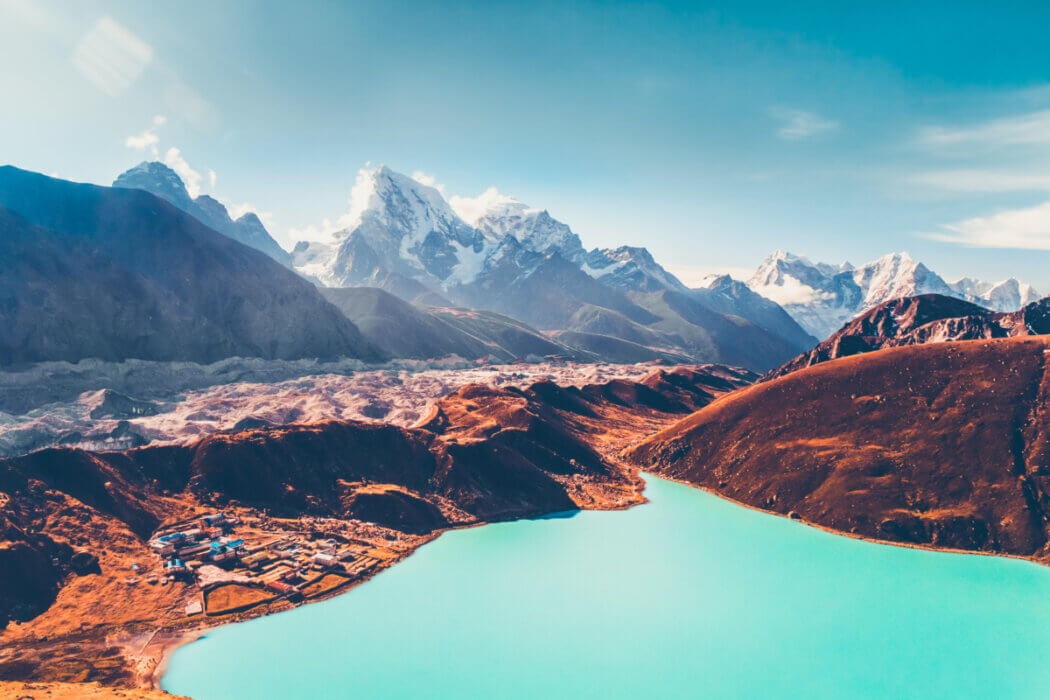
- Visit Everest Base Camp, Kala Patthar, Gokyo, and the quieter side valleys beyond the main trail.
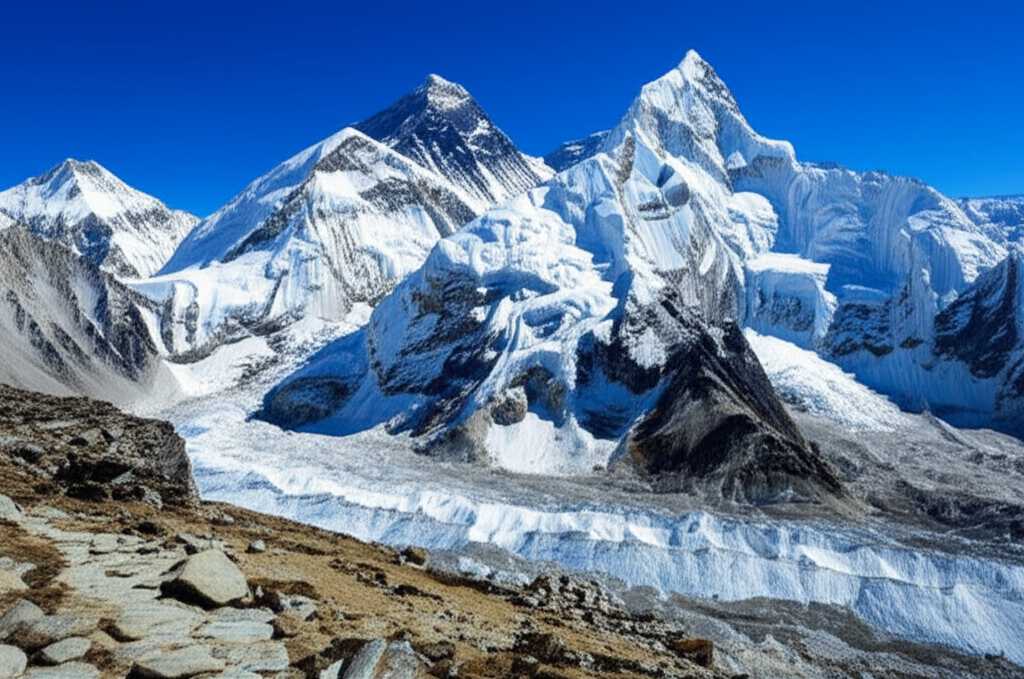
- See Everest, Lhotse, Nuptse, Makalu, Cho Oyu, Ama Dablam, and many more peaks along the way.
Trail Brief
Overview
A full Everest-region circuit with three major high passes, remote valleys, and a much tougher route than the standard base camp trek.
Everest Three Passes Trek is often described as the complete Khumbu trek because it links the region's main highlights into one long route. Instead of following the simple in-and-out base camp trail, this journey circles through several valleys and crosses three different passes over 5,000 meters.
The route starts with the classic walk through Lukla and Namche, then continues to Tengboche, Dingboche, Chhukung, Kongma La, Lobuche, Everest Base Camp, Kala Patthar, Cho La, Gokyo, Renjo La, Thame, and back out to Lukla. That flow gives the trek a real sense of depth and distance.
This is still trekking rather than climbing, but it is not an easy trek. The days are long, the air is thin, and mountain weather can change quickly. Good acclimatization, fitness, and patience matter a lot here.
At 5,545 meters, the highest viewpoints and passes on this trek take you deep into serious high-altitude terrain. By the end, you do not just visit Everest Base Camp. You feel like you have crossed the region properly and seen it from several very different sides.
Inclusions & Exclusions
Kathmandu and Flights
- Airport pick-up and drop-off in Kathmandu.
- Hotel stay in Kathmandu before and after the trek.
- Trip briefing and domestic flight arrangement support.
Trek Support
- Experienced trekking guide for the full Three Passes route.
- Porter support during the trek for your main duffel bag.
- Teahouse accommodation and full meals during trekking days.
Permits and Staff
- Sagarmatha National Park permit and local rural municipality fees.
- Staff wages, meals, insurance, and local operating costs.
- Basic first aid support and daily route guidance.
Planning and Preparation
- Advice before the trip about gear, layering, and acclimatization.
- Help with route timing, weather planning, and pass conditions.
- Administrative costs related to running the trek.
Price Excludes
- International flights to and from Nepal.
- Nepal visa fees and personal expenses in Kathmandu.
- Travel insurance with high-altitude trekking and rescue coverage.
- Personal trekking gear, extra snacks, drinks, charging, and hot showers.
- Tips for guide and porter, and any costs outside the listed inclusions.
We meet you at the airport, transfer you to the hotel, and give you time to settle in before the trek.
This day is for briefing, checking gear, and making the final preparations before flying to Lukla.
The mountain trip starts with the Lukla flight, followed by a shorter walk to Phakding.
We follow the Dudh Koshi valley and climb steadily to Namche, the main center of the Khumbu.
A rest day in Namche includes a short hike for acclimatization before going higher.
We continue to Tengboche, known for its monastery and wide mountain views.
The route climbs above the tree line into a broader alpine valley on the way to Dingboche.
We leave Dingboche and head into the upper valley toward Chhukung, one of the stepping stones for the first pass.
This extra acclimatization and viewpoint day gives big views and helps prepare for higher terrain.
The first major pass is long and demanding, with high mountain terrain and glacial surroundings.
We walk to Everest Base Camp and then return to Gorak Shep for the night.
An early climb to Kala Patthar gives famous Everest views before we continue toward Dzongla.
We cross the steep and often snowy Cho La and descend to Dragnak on the far side.
The route leads across rough mountain ground to the Gokyo lakes area.
We climb Gokyo Ri for one of the best viewpoints in the Khumbu, then return to rest in Gokyo.
The final high pass brings wide views before we descend into a quieter side valley.
We continue down through traditional Sherpa country to Thame.
The trail returns to Namche, where the route reconnects with the busier main Everest path.
We complete the last full walking day and return to Lukla.
We fly back to Kathmandu and return to the hotel after the trek.
This day is kept free for rest, buffer time, or personal plans in Kathmandu before departure.
We transfer you to the airport for your onward flight and close the journey.
This trek is best for strong walkers who already know they are comfortable with long mountain days and high altitude. It is a step up from the standard Everest Base Camp trek.
It is challenging. The route is longer than EBC, the passes are high, and some sections can feel steep, rocky, or snowy depending on the season.
Yes, previous multi-day trekking experience is strongly recommended. This is not the easiest first Himalayan trek.
Spring from March to May and autumn from September to November are the best seasons. These months usually give clearer weather and better pass conditions.
Yes, it is wise to keep a couple of extra days around the trip because Lukla flights and high pass conditions can change with weather.
You are crossing three passes above 5,000 meters, so good acclimatization is one of the main reasons the trek works well. The rest days are there for a reason.
No technical climbing gear is usually needed in normal trekking seasons. Still, the passes can be rough under snow or ice, so guide advice matters a lot.
You need travel insurance that covers trekking above 5,000 meters and helicopter evacuation in Nepal.
We assess the conditions carefully and may wait, adjust timing, or change the plan if safety requires it. Flexibility is part of this route.
It shows more of the Everest region than most treks. You get the famous places, but you also get quieter valleys, different viewpoints, and a stronger sense of journey.