

Dhaulagiri Circuit Trek - 18 Days
The Dhaulagiri Circuit Trek is a wild and remote trek for people who want a quieter trail, real mountain camping, and a big sense of journey in western Nepal.
Country
Nepal
Duration
18 Days
Difficulty
Strenuous
Activity
Trek
Max. altitude
5,360 m/17,585 ft
Best season
Mar-May, Sep-Nov
Accommodation
Tea House, Tented Camp & Hotel
Meals
Most Meals Included
Start/End Point
Kathmandu / Pokhara
Signature Moments
Highlights
- Walk one of Nepal's most remote trekking circuits with fewer crowds and a more adventurous feel.
- Cross French Pass and Dhampus Pass with wide glacier views and a dramatic high mountain setting.
- Move from villages and forests into hidden camps, ice fields, and the long Myagdi Khola valley.
Trail Brief
Overview
A challenging camping trek around the Dhaulagiri massif, best for trekkers who want a tough route and a more remote side of Nepal.
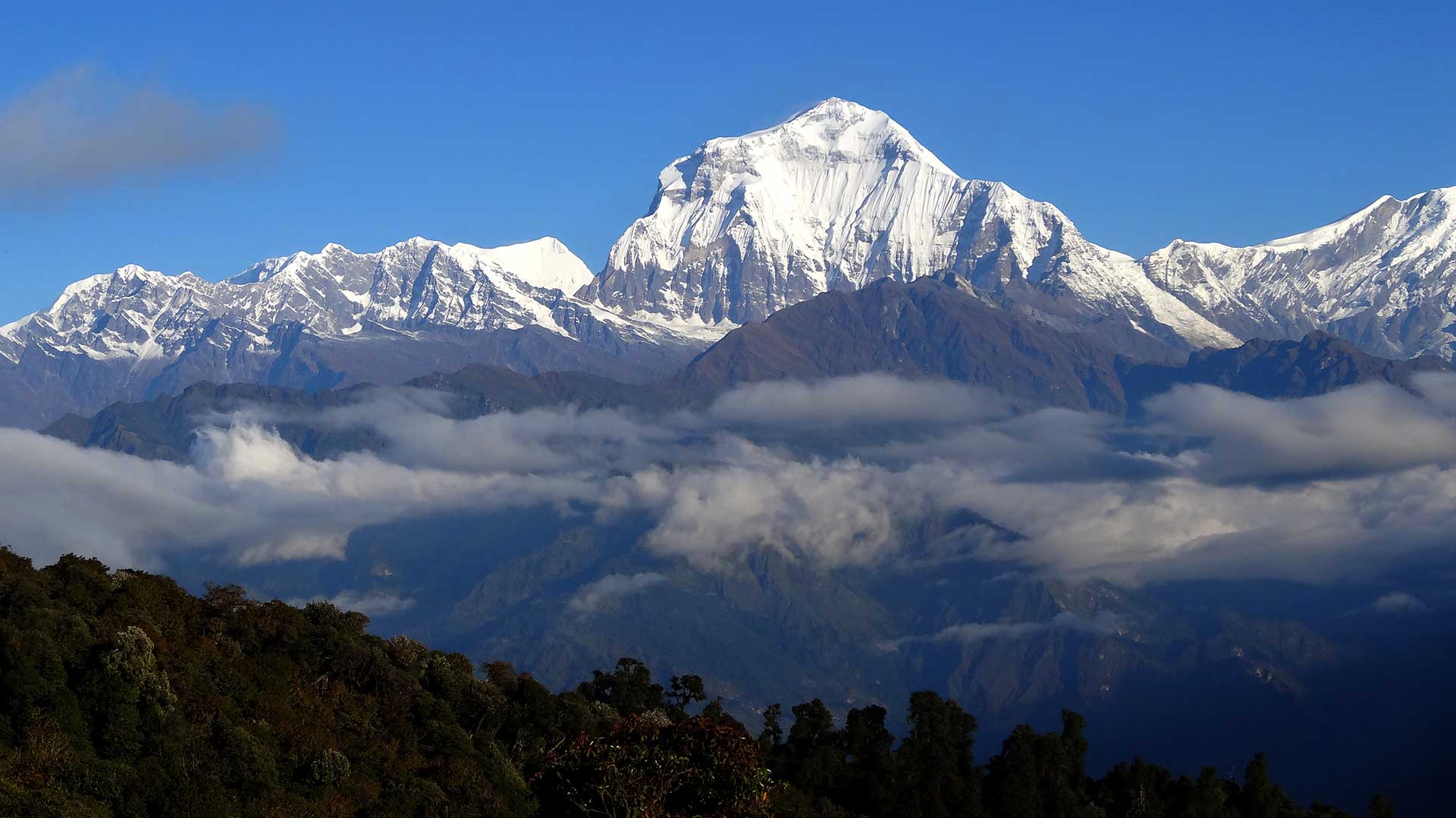
Dhaulagiri Circuit Trek is very different from the more popular trekking routes in Nepal. The trail is rougher, the camps feel more isolated, and the scenery changes fast as you move from green hills to glacier country.
The journey begins with a drive from Kathmandu to Pokhara and then onward to the trailhead. In the first part of the trek, we pass through villages, farmland, and forest trails before the route becomes quieter and more serious.
Higher up, the route heads to Italian Base Camp, Glacier Camp, Dhaulagiri Base Camp, French Pass, and Dhampus Pass. These are the big days of the trip, where weather, pacing, and proper acclimatization matter a lot.
This trek is not technical climbing, but it is still a demanding adventure. There are long walking days, cold camps, and basic conditions in the upper section. For trekkers who want a real wilderness circuit with strong mountain character, Dhaulagiri is hard to forget.
Inclusions & Exclusions
Arrival and Transport
- Airport pick-up and drop-off in Kathmandu.
- Hotel stay in Kathmandu and Pokhara as per the trip plan.
- Ground transport between Kathmandu, Pokhara, the trailhead, and the return point.
Trek Support
- Licensed trekking guide and support staff during the full trek.
- Porters to carry the main duffel bags and common camping gear.
- Meals during the trek and tented camp setup in the remote upper section.
Accommodation and Meals
- Tea house accommodation where available and shared tents in higher camps.
- Breakfast in the cities and full board meals during the trekking days.
- Staff wages, meals, insurance, and daily operational expenses.
Permits and Entry Fees
- Required trekking permits for the Dhaulagiri Circuit route.
- Conservation area fees and local entry permits.
- Basic trip administration and route coordination.
Price Excludes
- International flights to and from Nepal.
- Nepal visa fees and personal travel expenses in Kathmandu.
- Personal trekking gear, sleeping bag, down jacket, and other clothing.
- Travel insurance with high-altitude rescue coverage.
- Personal snacks, drinks, tips, charging, hot showers, and private room upgrades.
We meet you at the airport and transfer you to your hotel. The rest of the day is free to rest and prepare for the trek.
We travel west to Pokhara, a relaxed lakeside city where we spend the night before heading toward the trail.
The road journey continues into the foothills. Darbang is the usual starting point for the lower Dhaulagiri trail.
We begin walking through fields, villages, and forest paths. It is a good first trekking day to settle into the rhythm.
The trail climbs and drops through hillside settlements with good views of the valley and surrounding ridges.
We cross forests and rougher sections of trail as the route begins to feel more remote.
We continue up the Myagdi Khola valley. The landscape narrows and the camp atmosphere becomes quieter.
One of the classic camps on this route, Italian Base Camp gives us bigger mountain views and a good place to acclimatize.
We stay active with a short hike, rest well, and let the body adjust before moving higher.
The route becomes rougher and more demanding. We enter glacier terrain and camp in a colder, more exposed setting.
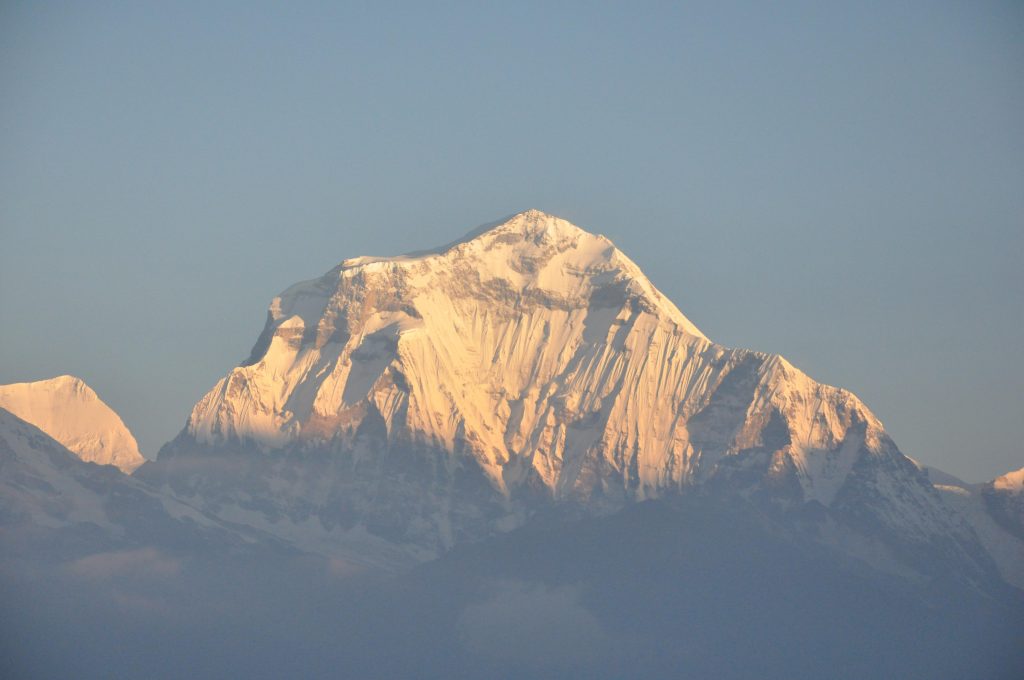
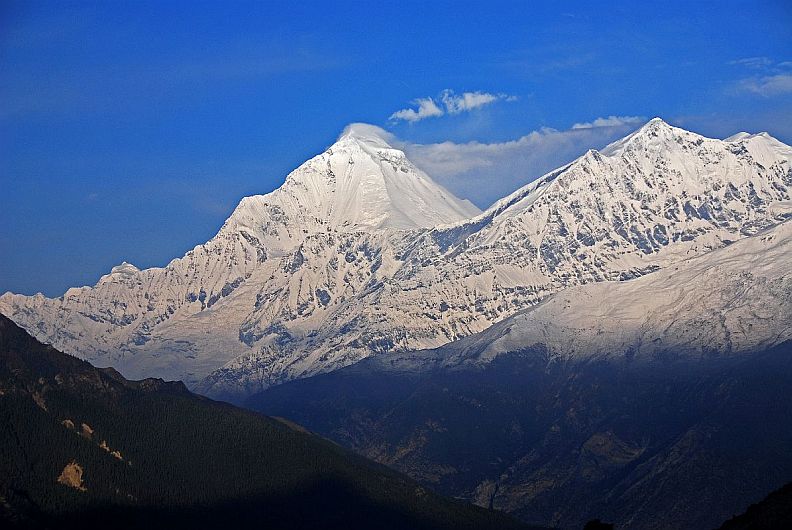
We move deeper into the high basin below Dhaulagiri. The mountain walls around camp are huge and unforgettable.
This extra day helps with altitude and gives us time to rest, watch the weather, and prepare for the high passes.
This is one of the biggest days of the trek. We climb to French Pass at about 5,360 meters and descend into Hidden Valley.
A quieter day to recover after the pass and keep energy for the next crossing.
Another long mountain day with wide views before a descent to lower grazing ground.
We drop into the Kali Gandaki side and reach Marpha, known for its stone lanes and apple orchards.
After breakfast, we leave the trail and drive back to Pokhara for a comfortable final night.
We travel back to Kathmandu and close the trip with time to relax or prepare for your onward journey.
This trek is best for fit trekkers who are comfortable with long days, basic camping, and several nights at high altitude.
It is considered strenuous. The route is longer, rougher, and more remote than many classic tea house treks in Nepal.
No technical climbing is usually needed, but you should be steady on uneven trails, snow, and high pass days.
Spring and autumn are the main seasons because the weather is usually more stable and the pass conditions are better.
The route is more demanding and the upper section needs camping support, so fewer people choose it compared with Everest or Annapurna base camp routes.
The highest point is usually French Pass at around 5,360 meters, with Dhampus Pass just slightly lower.
Lower down, we may use simple lodges where available. In the upper section, the trip uses tented camps with basic but reliable support.
You need travel insurance that covers trekking above 5,000 meters and helicopter evacuation in Nepal.
The guide checks conditions carefully. If needed, the team waits, adjusts the camp plan, or changes timing for safety.
It feels remote, raw, and less commercial. The glacier camps and pass crossings give it a real expedition-style trekking feel.