


Upper Mustang Trek - 14 Days
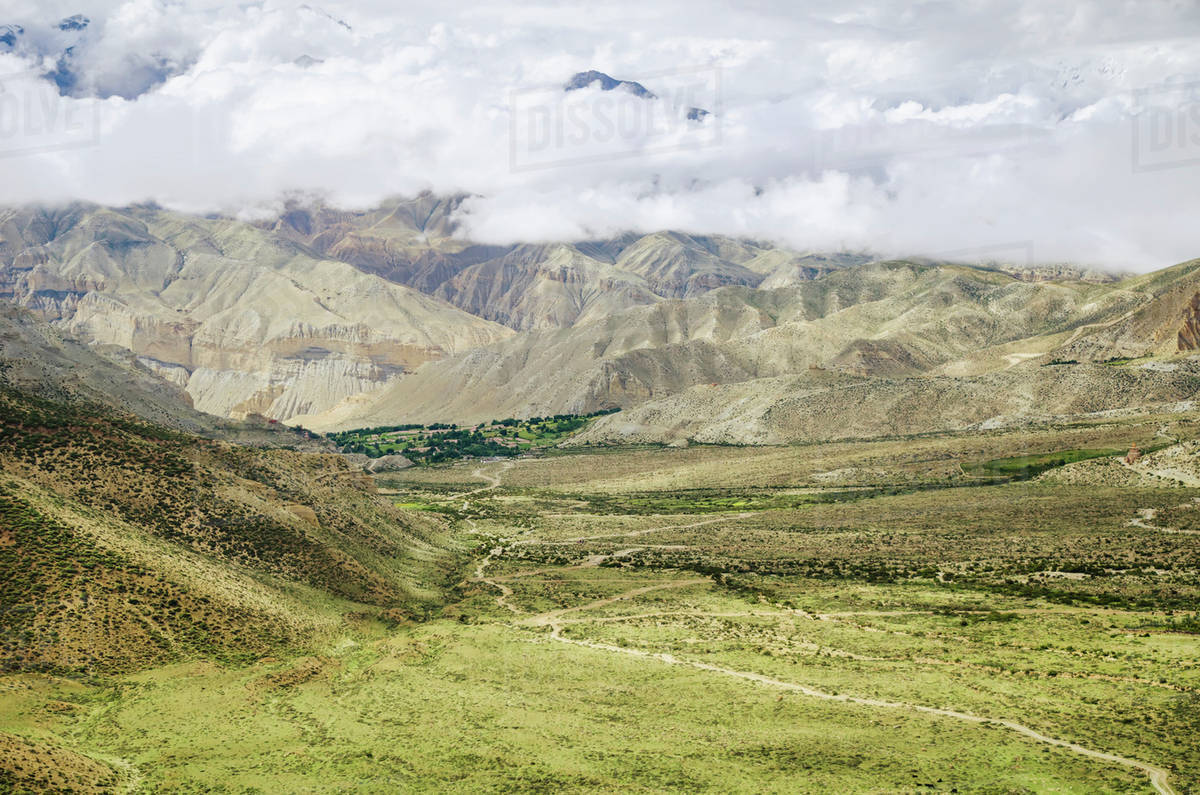
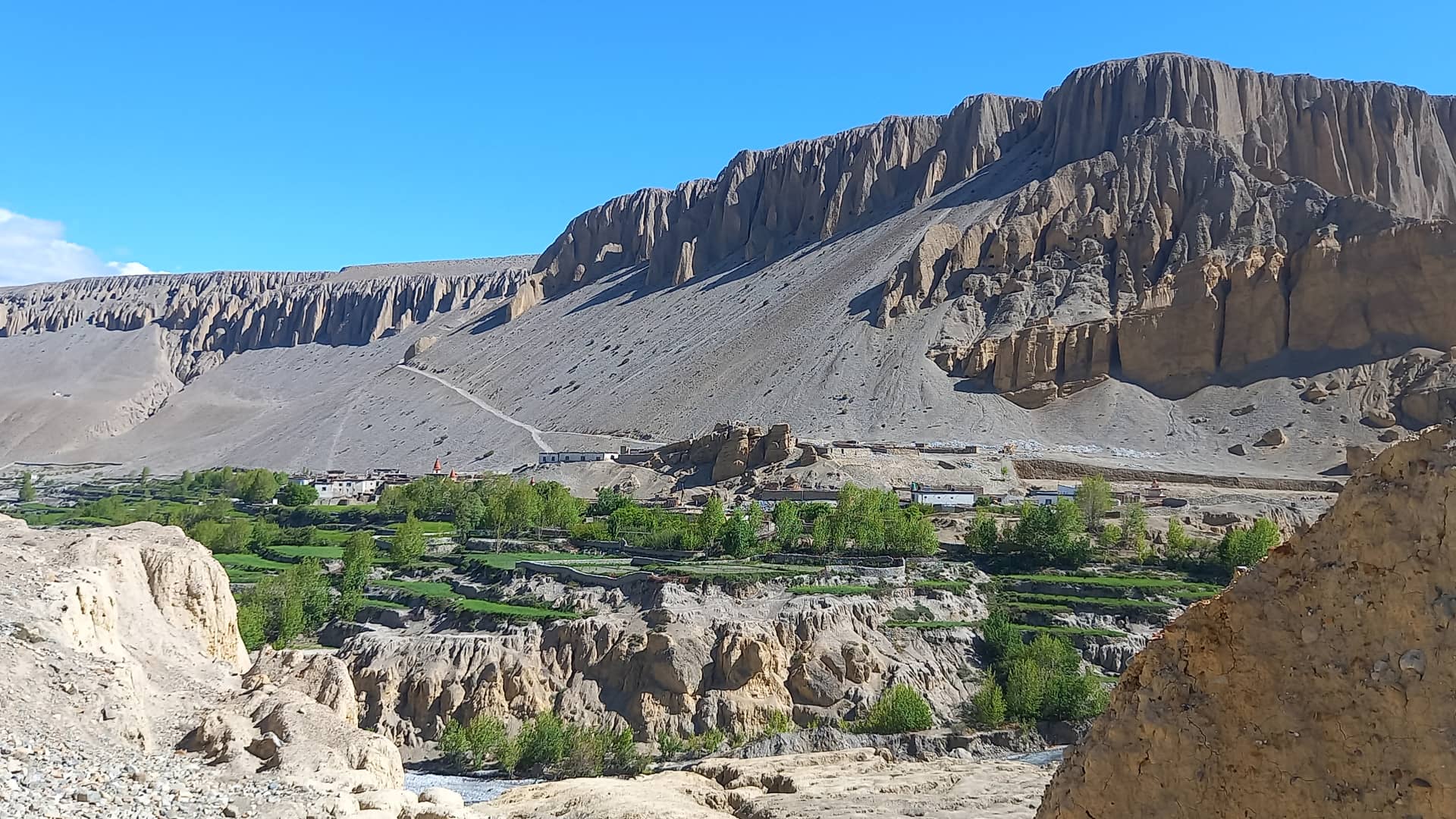
Upper Mustang Trek is a journey into one of Nepal's most unusual landscapes. The trail passes dry cliffs, old villages, monasteries, and wide open valleys where the culture and scenery feel very different from the greener trekking routes.
Country
Nepal
Duration
14 Days
Difficulty
Moderate
Activity
Trek
Max. altitude
4,200 m / 13,780 ft
Best season
Spring & Autumn
Accommodation
Hotel & Lodge
Meals
Breakfast + Trek Meals
Start/End Point
Kathmandu
Signature Moments
Highlights
- Walk through a dry Himalayan landscape with caves, cliffs, and wide desert-like valleys.
- Visit Lo Manthang, an old walled city with a strong Tibetan cultural feel.
- See a side of Nepal that feels remote, historic, and very different from the busy classic trails.
Trail Brief
Overview
A cultural trekking route through Nepal's hidden desert valley, with long views, old settlements, and a quieter mountain atmosphere.
Upper Mustang Trek is not just about walking from one village to another. The route takes you into a region that was closed to outsiders for many years, and that history still shapes the place today. The landscape is open, dry, and dramatic, and the villages carry a strong Tibetan Buddhist character.
The trip usually begins with travel to Pokhara and Jomsom. From there, the trail follows the Kali Gandaki valley into Mustang, passing places like Kagbeni, Chele, Ghami, Tsarang, and finally Lo Manthang. Each stop has its own look and rhythm, and the route feels more like a journey across a living landscape than a single mountain objective.
The walking is generally moderate, but the days can feel dry, windy, and exposed. There are a few steady climbs over passes, and the trail often moves through open country with little shade. Good pacing and steady energy matter more here than speed.
Most 14-day routes reach about 4,200 meters at their highest point, which keeps the trek in the moderate range for many walkers. The bigger challenge is often the dry air, the wind, and the steady up-and-down trail rather than extreme altitude.
Inclusions & Exclusions
Arrival and Travel Support
- Airport pick-up and drop-off in Kathmandu.
- Hotel stay in Kathmandu before and after the trek.
- Trip briefing, permit support, and transport coordination.
Trek Support
- Experienced trekking guide for the full Upper Mustang route.
- Lodge accommodation during the trek.
- Meals during the trekking days as listed in the program.
Staff and Route Logistics
- Porter support for your main trekking bag.
- Staff wages, meals, insurance, and transport costs.
- Basic first-aid support and day-to-day route management.
Permits and Administration
- Upper Mustang restricted area permit and Annapurna Conservation Area permit.
- Required local entry fees and official paperwork.
- Administrative costs related to the trek.
Price Excludes
- International flights to and from Nepal.
- Nepal visa fees and personal travel expenses in Kathmandu.
- Lunch and dinner in Kathmandu and Pokhara unless listed.
- Travel insurance with trekking and emergency rescue coverage.
- Personal drinks, snacks, tips, charging, hot showers, and extra nights.
We welcome you at the airport and transfer you to your hotel in Kathmandu.
We head to Pokhara and prepare for the mountain journey into Mustang.
A short mountain flight brings us to Jomsom, then we begin walking toward the old village of Kagbeni.
We enter the restricted area and follow the valley through dry hills and scattered settlements.
The trail crosses ridges and passes before reaching a small settlement with open views.
We continue through a dry and beautiful section of Mustang with mani walls and village fields.
The route rolls across open land and brings us to Tsarang, a village with deep cultural history.
We reach the walled city of Lo Manthang, the cultural heart of Upper Mustang.
This day is for exploring monasteries, local lanes, and nearby viewpoints around the old city.
We leave Lo Manthang and follow a return route with striking red cliffs and wide valley views.
The trail descends and climbs through dry hillsides and remote villages.
We continue out of the upper valley, following familiar paths through the lower Mustang landscape.
Our last walking day ends at Jomsom, followed by a flight back to Pokhara.
We return to Kathmandu by road, bringing the 14-day Upper Mustang trek to a close.
Upper Mustang feels drier, older, and more open than many treks in Nepal. The culture, villages, and landscape are a big part of why people choose it.
It is usually considered moderate. The altitude is not extreme, but the walking days can be long and the wind can make some stretches feel harder.
Yes. Upper Mustang is a restricted area. Current 2026 permit guidance says the restricted permit is charged per day inside Upper Mustang, and the trek must still be arranged through a registered agency with a licensed guide. Most sources also note that the permit is usually processed for at least two trekkers.
Spring and autumn are still the main trekking seasons. Upper Mustang also gets much less rain than many other regions, so some people trek there in the monsoon months too, but most operators still list spring and autumn as the best overall seasons.
About two weeks is a comfortable amount of time for the main route, and it is wise to keep a little extra flexibility for weather and flight changes.
The lodges are simple and local. Rooms are basic, but they are a good place to rest and experience the rhythm of village life.
The altitude is lower than on many famous high-pass treks, but you still reach around 4,200 meters on some itineraries. Most trekkers do well if they walk steadily, stay hydrated, and do not rush.
Days are often dry and sunny, but wind is common, especially in the afternoon. Nights can be cold, even when the days feel warm.
You should have travel insurance that covers trekking in Nepal and emergency evacuation if needed.
Yes, it can be, especially for people who are reasonably fit and want a cultural trek without very high passes or technical ground.