

Pisang Peak Climbing - 19 Days
Pisang Peak Climbing is a classic Annapurna trekking peak above Pisang village. The trip combines the Annapurna trail, gradual acclimatization, high camp climbing, and a summit with wide views over Annapurna and the Manang side.
Country
Nepal
Duration
19 Days
Difficulty
Moderate Climbing
Activity
Peak Climb
Max. altitude
6,091 m/19,984 ft
Best season
Mar-May, Sep-Dec
Accommodation
Tea House & Hotel
Meals
Included
Start/End Point
Kathmandu
Signature Moments
Highlights
- Approach the climb through the beautiful Annapurna region and traditional mountain villages.
- Practice with climbing gear before the summit push with guide support.
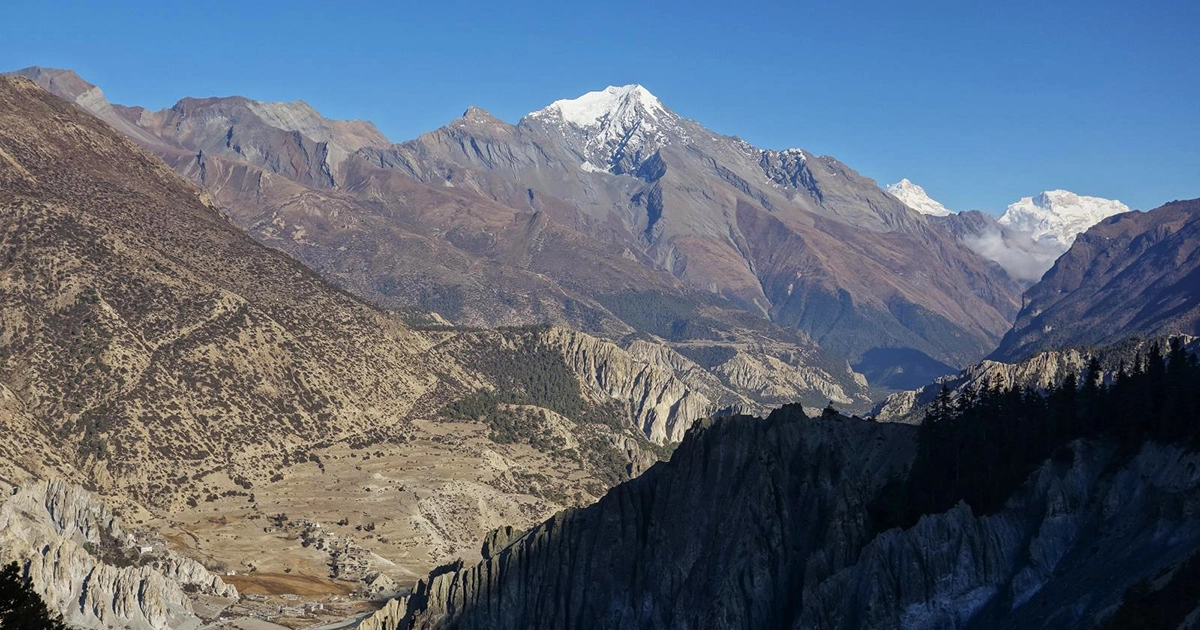
- Enjoy summit views across Annapurna II, Annapurna IV, Gangapurna, and the Manang valley.
Trail Brief
Overview
A well-known Annapurna trekking peak with a steady approach, a real summit push, and wide Himalayan views.
Pisang Peak Climbing is one of the better-known trekking peaks in Nepal. It rises above Upper Pisang in the Annapurna region and is often climbed as an extension of the Annapurna Circuit, so the journey feels like both a trek and a climb.
The approach follows the Marsyangdi valley through villages, forest, and the changing landscapes of Manang. By the time you reach Pisang and base camp, you have already seen a clear shift from lower green hills to the dry high mountain country of the Annapurna region.
The climbing section usually includes base camp, high camp, and a summit day with steep snow slopes and rope-assisted sections near the top. It is not the most technical peak in Nepal, but it still needs fitness, patience, and careful movement at altitude.
At 6,091 meters, Pisang Peak is a real mountain objective. It suits trekkers who want to move beyond normal hiking and experience a proper Himalayan peak with guide support and a structured climbing plan.
Inclusions & Exclusions
Kathmandu and Logistics
- Airport pick-up and drop-off in Kathmandu.
- Hotel stay in Kathmandu before and after the climb.
- Pre-climb briefing, permit support, and trip coordination.
Trek and Climb Support
- Guide support during the approach trek, climb, and return journey.
- Tea house accommodation during the trek and tented support at high camp as needed.
- Meals during the trek and climbing days as per the trip plan.
Climbing Team and Gear
- Experienced climbing guide support and local staff.
- Common group climbing gear and safety equipment for the summit push.
- Staff wages, meals, insurance, and operational expenses.
Permits and Administration
- Required trekking permits and Pisang Peak climbing permit.
- Local entry fees and necessary government paperwork.
- Administrative costs related to the climb.
Price Excludes
- International flights to and from Nepal.
- Nepal visa fees and personal travel expenses in Kathmandu.
- Personal climbing gear, boots, clothing, and technical equipment.
- Travel insurance with high-altitude rescue coverage.
- Personal snacks, drinks, tips, charging, showers, and private room upgrades.
We receive you at the airport and transfer you to the hotel. The evening is free to rest after the journey.
This day is for final gear checks, permits, and any last shopping needed before leaving Kathmandu.
We drive from Kathmandu toward the Annapurna region. It is a long travel day, but it gets us well into the mountain route.
The trail follows the Marsyangdi valley through waterfalls, stone paths, and small villages before reaching Tal.
We continue through forest and village sections, with stronger mountain views as we gain altitude.
The route to Chame is steady and scenic, with the Annapurna range becoming more prominent.
We head toward Pisang village, where the peak rises above the valley and the climbing route starts to feel close.
This extra day helps with altitude adjustment. We usually take a short hike above the village and return to sleep lower.
We leave the main village trail and move up toward base camp. The surroundings become quieter and more alpine.
We gain more height and prepare for the summit push. The guide team checks gear and reviews the climbing plan.
This is the biggest day of the trip. We start early, climb to the summit of Pisang Peak, and then descend carefully back to base camp.
After the climb, we rejoin the Annapurna Circuit trail and continue toward Manang.
We move through open grazing land and higher valley terrain on the way to Yak Kharka.
This is a shorter day designed to help conserve energy before crossing the pass.
We cross Thorong La at 5,416 meters and descend into the Mustang side to Muktinath. It is one of the longest and most memorable days of the route.
We continue through the dry Kali Gandaki valley toward Jomsom, with very different scenery from the eastern side of the circuit.
A short mountain flight brings us to Pokhara, where the pace feels much easier again.
We return to Kathmandu and transfer to the hotel. The evening is free for rest or a final dinner in the city.
This day adds flexibility for mountain travel changes. If all goes smoothly, it works as a free day before departure.
This trip is good for strong trekkers who want a proper trekking peak in the Annapurna region. You do not need to be an expert mountaineer, but you should be fit and ready for a demanding summit day.
Pisang Peak is often graded as a moderate climbing peak, but it still feels physically demanding because of the altitude, steep sections, and long summit day.
Previous climbing experience helps, but it is not always required if you are well prepared and ready to learn from the guide team.
Spring from March to May and autumn from September to December are commonly used climbing seasons, with clearer weather and more stable conditions than the monsoon period.
Yes, it is smart to keep a little flexibility in your travel plan. Weather and mountain transport can sometimes shift the schedule.
Yes, altitude is one of the biggest parts of the challenge. That is why the itinerary includes gradual ascent and acclimatization days.
You need your own personal gear and warm clothing. Some technical gear can usually be rented in Kathmandu if you do not want to bring everything.
You should have travel insurance that covers peak climbing and helicopter evacuation in Nepal.
We always watch the weather closely and make careful decisions. If conditions are not right, the guide team will adjust the plan for safety.
It combines a real summit climb with the scenery and culture of the Annapurna region. That makes the trip feel full, not just technical.